


Water infiltrations from the joints are a silent and dangerous enemy for the surfaces and floors of our homes. They can cause irreparable damage, both indoors and outdoors, weakening structures, encouraging mold growth and compromising the aesthetics of environments. However, there is an effective way to defend against this threat: the use of a high-quality transparent waterproofing product.
In this article, we will explore the causes of water infiltration and how Marbec products can help us prevent and protect our porcelain tiles, ceramic, marble, granite, terracotta and stone surfaces.
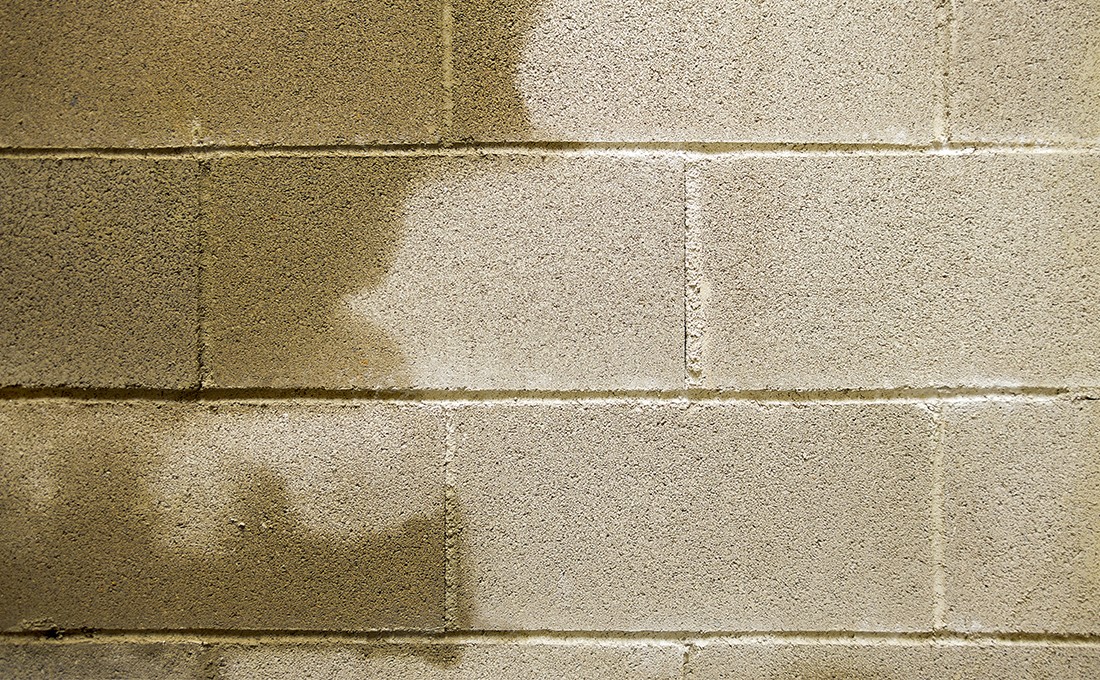
Main causes of water infiltration in surfaces
When water comes out of the floor joints, it is a sign that water infiltration is occurring. These infiltrations can result from different sources and cause structural and aesthetic damage. It is essential to recognize early signs of infiltration, such as the appearance of mold or damp spots, to avoid costly subsequent interventions.
Here are the main causes of water infiltration from the floor:
- Heavy rainfall: Heavy rainfall can cause stagnation of liquid that seeps through cracks and cracks, causing infiltration by rainwater.
- Rising humidity: Moisture from the ground can rise through the walls, causing significant damage.
- Degradation of waterproofing elements: Over time, waterproof barriers can deteriorate, allowing water to penetrate.
- Lack of insulation: Underground structures without adequate insulation may be particularly vulnerable to water infiltration.
- Poor waterproofing of components: If the building materials have not been adequately waterproofed, they can become water paths.
Marbec products to prevent water infiltration
To protect our surfaces from water infiltration from joints, Marbec has developed a range of specific products, ideal to prevent water from escaping from the floor when it rains. Among these, stand out insulation for water infiltration, which provide effective and durable protection.
ACQUABLOCK is a transparent waterproofing treatment ideal to prevent water infiltration. It is suitable for any type of floor and creates an effective barrier against water, avoiding absorption and preventing infiltration.
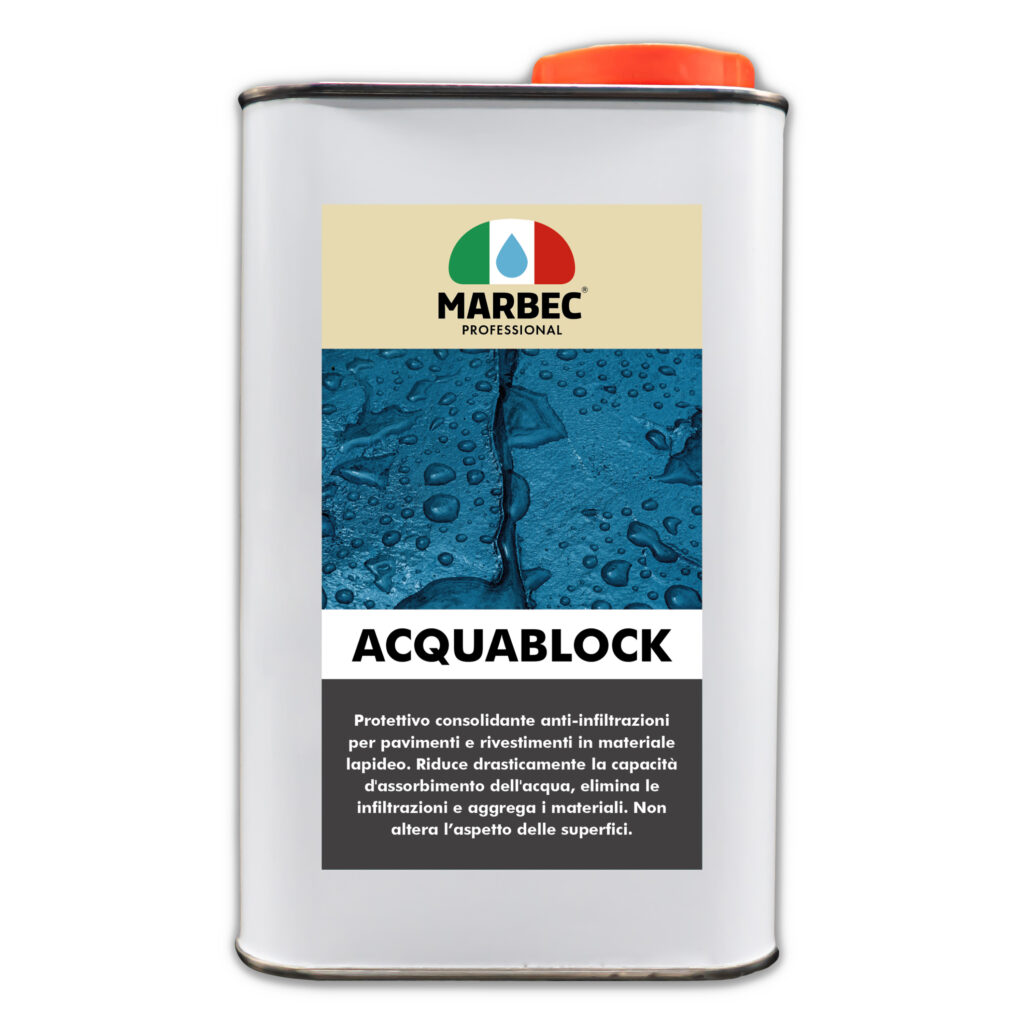
Strengths of ACQUABLOCK:
- Preserve floors and coatings without dismantling them.
- Applicable on all stone materials, maintaining the original appearance and allowing perspiration without creating surface films.
- Consolidates de-cohesive materials and also protects cracks up to 1.5 mm wide.
- Duration of about 10 years, with the possibility of periodic reapplication.
Surface Preparation with SGRISER
To properly prepare surfaces for sealing, it is essential to use SGRISER. This alkaline detergent/ solvent for cleaning strong degreasing agent of all stone materials opens the pore of the material, improving the penetration of waterproofing substances.

How to use SGRISER
- Delicate surfaces ( marble, polished cement): SGRISER must be neutralized with numerous water rinses to avoid damage.
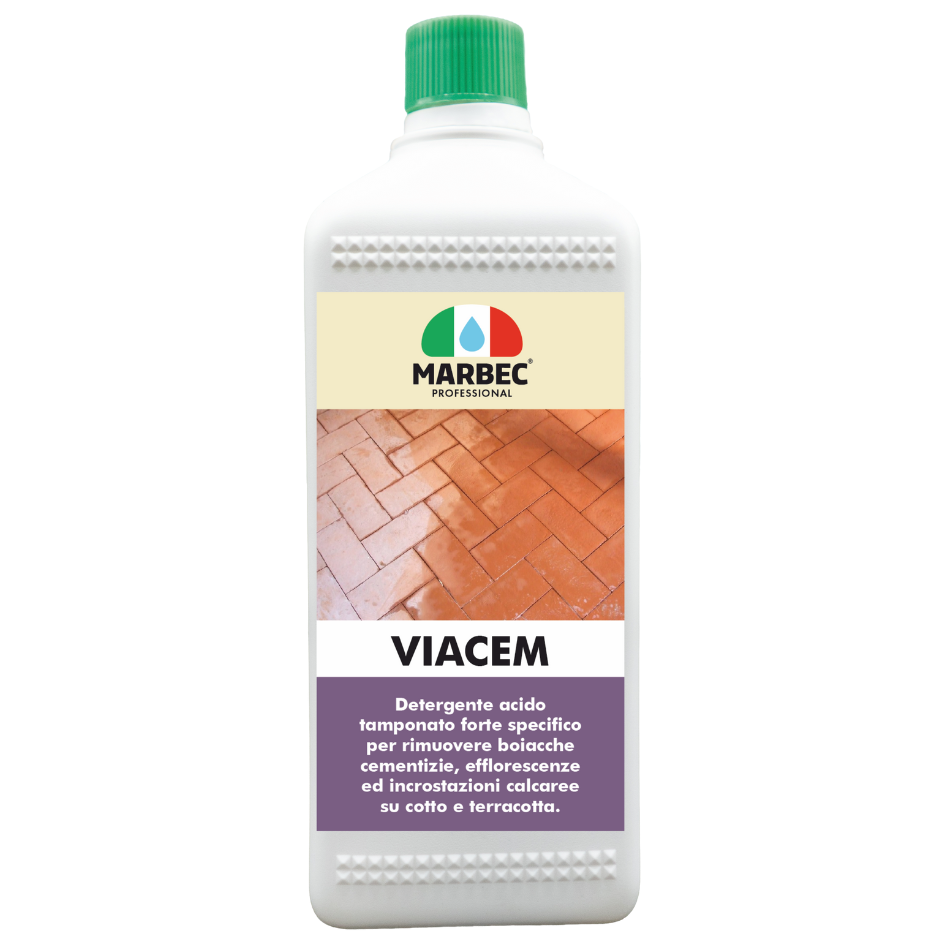
- Acid-resistant materials (cotto, porcelain tiles, ceramic): You can use the buffered acid descaling detergent for stone materials DELICACID or VIACEM (for cotto and terracotta) diluted to neutralize SGRISER, reducing the number of rinses required.

How to use ACQUABLOCK
Applying ACQUABLOCK is a quick and easy process. Here’s how to do it:
- Make sure the surface is dry and clean, removing dirt and debris. In case of cracks greater than 1.5 mm, putty before application.
- Apply the pure product to the surface using a cloth or brush, evenly covering the entire area to be treated.
- Cover the entire treatment area evenly and wait for the product to be absorbed.
- For best results, focus on joints and cracks.
- Wait for the product to be absorbed for 5-10 minutes.
- Remove the product that is not absorbed by the surface with a soft dry cloth or absorbent paper.
- In the case of non-absorbent materials (e.g. porcelain tiles), remove excess product before drying.
- Protect treated surfaces from rain for at least 24 hours.
ACQUABLOCK creates an invisible chemical barrier that drastically reduces the water absorption capacity of materials. Once applied, the water will no longer penetrate even the most porous materials or through the cracks of the tiles. Drops will quickly slide away, protecting the surface from future damage.
Practical tips for an anti-infiltration treatment
To ensure maximum effectiveness, we recommend applying a coat of ACQUABLOCK on poorly absorbent stone materials and two coats on highly absorbent stone materials. This will ensure a complete and durable protection against water infiltration.
The result will be amazing, don’t you think?
Let’s watch the videos together!
If you would like further information or need assistance in applying the waterproofing treatment, please do not hesitate to contact us. We are here to help you protect your surfaces from harmful water infiltration. You can reach us via whatsapp at the number +393348578502 or call our fixed number 0573959848.
-

ACQUABLOCK®
Consolidating, water-repellent anti-infiltration protector for stone materials such as terracotta, natural stone, marble, cement and porcelain stoneware. It penetrates deeply to form an invisible barrier that reduces water absorption, blocks infiltration caused by micro-cracks, and strengthens surfaces without altering their appearance, helping to avoid demolition and costly renovation work.
+ Varianti36.58€
-
DELICACID®
Specific buffered acid detergent to remove cement grouts, efflorescence and limestone incrustations on stones, ceramic materials and stone materials in general.
+ Varianti8.32€


Cleaning and restoring indoor varnished wood floors makes it possible to revive matte or glossy varnished parquet flooring that has lost its shine, even colour and original appearance due to everyday wear. When the protective finish is still intact and the floor does not require complete sanding, you can restore parquet without sanding by following a dedicated treatment that removes surface greying, revives the wood and restores the protective finish. This restoration process is suitable for both glossy and matte varnished parquet floors by selecting the treatment that matches the original finish. For this reason, Marbec developed the KIT RESTAURA LEGNO VERNICIATO LUCIDO and the KIT RESTAURA LEGNO VERNICIATO OPACO, two complete systems designed to clean, restore and protect varnished wood floors without sanding or refinishing whenever the floor is still suitable for surface restoration.

An oak parquet floor with an oil-wax impregnation can lose colour, protection, and visual uniformity over time. This often happens because of incorrect maintenance or unsuitable products. However, if the wood is still structurally sound, replacement is not always necessary. With a professional restoration process, the surface can regain balance, beauty, and long-term protection.


