


Parquet maintenance is an important aspect to ensure its beauty and durability. For this reason, regular and gentle cleaning of this surface is necessary, avoiding the use of aggressive products and prolonged exposure to moisture.
Flatting, or opacity, can be caused by a variety of factors, such as wear, dust accumulation, or the presence of oily substances. Sanding, applying a new protective layer and polishing are the main steps to eliminate flatting.
If it persists, however, despite attempts to remove it, you may need to seek professional help with wood restoration.


How to clean a natural wood floor
This month the craftsman protagonist of our column on the most beautiful work of the month found himself in front of a prefinished walnut wood floor that was presented with a bad paint now degraded and scratched.
The intervention was therefore to remove the old paint, carrying out an oily impregnation treatment to give a new life to the floor.
First of all, the craftsman, in order not to change the aesthetic appearance of the parquet planing, has discarded the wood with a single brush equipped with MARBEC TYNEX DISC.
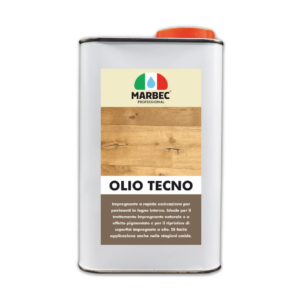
Once the craftsman removed the old paint he then applied the product OLIO TECNO with a spreading fleece and, once the product dried, removed any excess with a single brush in red disc.
Finally, after removing the excesses, he passed the BIOTOP wear and tear-resistant finish with spreading fleece, for a final result that speaks for itself.
The main difference between the old paint treatment and the oil impregnation treatment made by the craftsman is that the latter does not create films and leaves a more resistant wood with a more natural effect. This type of treatment, moreover, carried out on this floor that has the characteristic of being planned, does not require to rewrite the wood in future years.
That’s all for this month too, but if you want advice on the proper maintenance of an oiled wood, please visit this link to know how to do it and what are the right products to use!
Greetings and appointment next month.

Sodium percarbonate is a water-soluble powder widely used to remove stains, whiten laundry, and support hygienic cleaning on fabrics and washable household surfaces. When dissolved in water, it releases oxygen. This reaction helps break down stains and organic residues in a simple and effective way. If you often deal with yellowed white clothes, stains that remain even after washing, bins that keep unpleasant smells, shower curtains with marks, or surfaces dulled by residues and streaks, you are probably looking for exactly this kind of solution. However, sodium percarbonate is not designed for heavy degreasing. If you need to remove thick grease layers or stubborn encrustations, a dedicated degreasing detergent will work better.

Hand washing dishes is part of everyday home life. Whether you clean up after a quick lunch or a family dinner, the product you use makes a real difference. However, many people choose a dish detergent out of habit, without considering the practical differences between a concentrated dish soap and a traditional dishwashing liquid. A concentrated formula can offer clear advantages in terms of performance, yield, and dosing control. Therefore, it is useful to understand what truly changes between these two options and when a concentrated solution is the smarter choice for daily dishwashing.


