


Finding the right flooring product is, as we know, essential, and for this new buying guide we focus on buffered acid, a product useful for cleaning surfaces such as untreated cotto and porcelain tiles.
However, before examining the ideal solutions based on the surface and occasion, it is important to understand what buffered acid is and its main uses.
What is buffered acid and how it is used
Buffered acid is typically used in chemistry for pH regulation and is commonly used in laboratory settings. Buffered acid is a solution containing both a weak acid and its corresponding conjugated base in almost equal amounts, which helps to maintain a stable pH even when an acidic or basic substance is added.
Buffered acids are also used in various industrial processes that require precise pH control, such as in the production of pharmaceuticals or food additives.
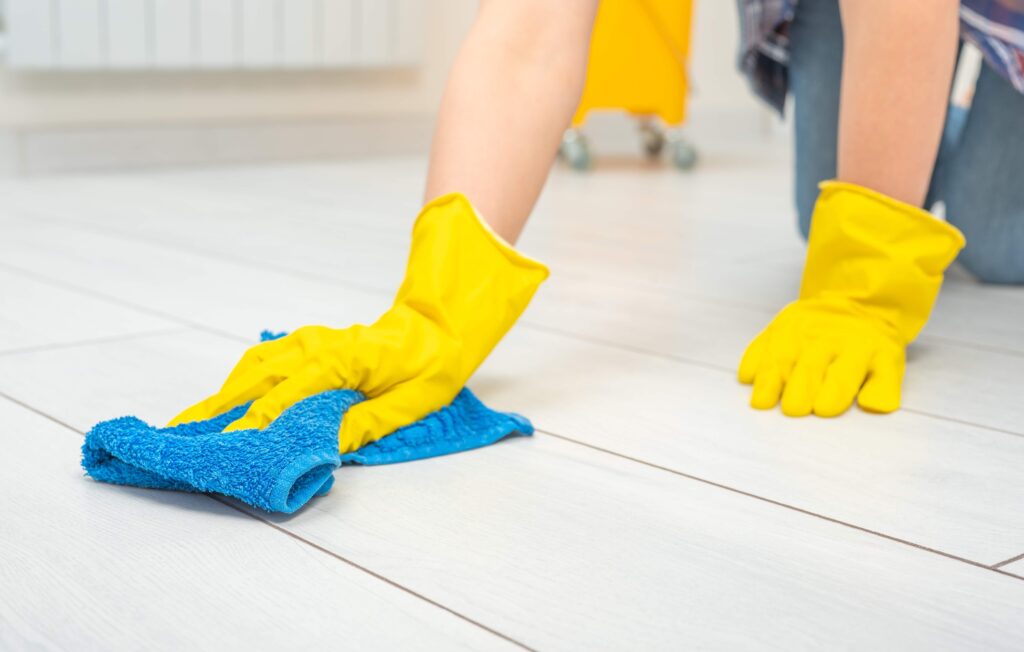
Buffered acid mixtures are particularly useful for cleaning acid-resistant building surfaces, such as cotto, granites, ceramics and porcelain tiles, because they offer a controlled action that mitigates the risks associated with concentrated acid solutions. These solutions are able to effectively remove limestone scale, salt efflorescence and laying residues without damaging the surfaces, ensuring a deep and lasting cleaning. Thanks to their targeted action, buffered acid mixtures represent an effective and economical solution to keep your floors and building surfaces clean and beautiful.
How to choose the right buffered acid
To choose the right buffered acid for cleaning your surface, it is essential to consider its characteristics and its use.
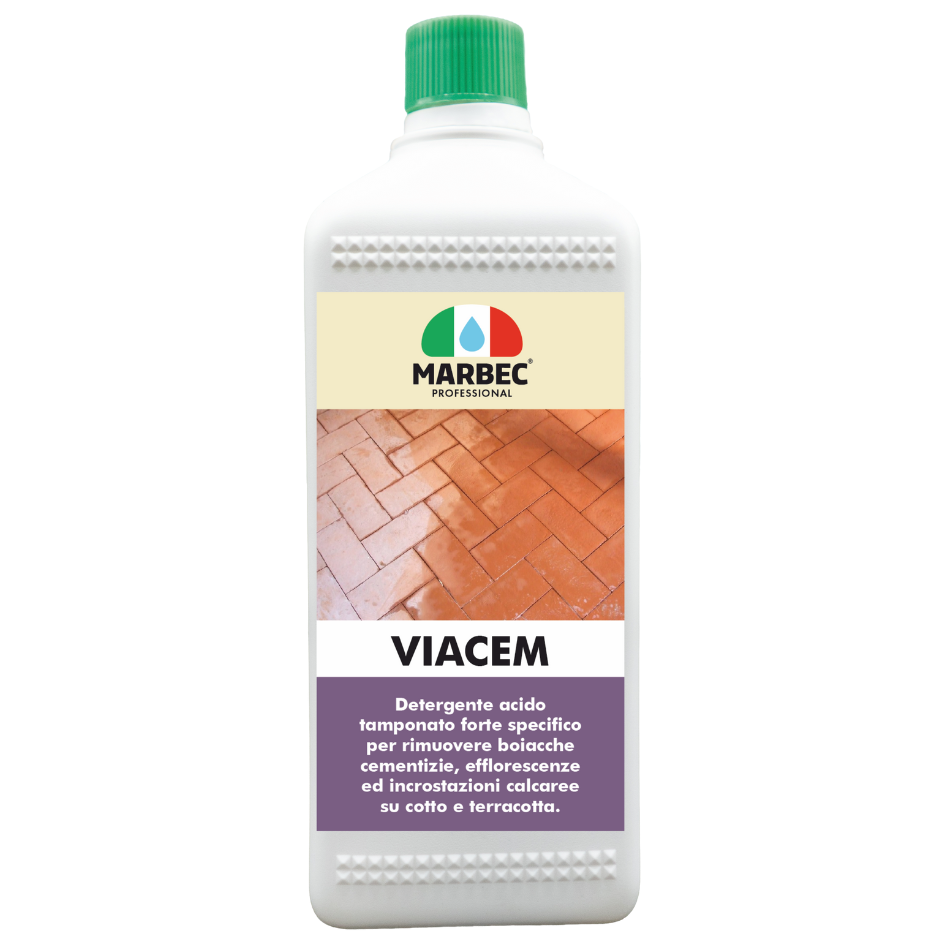
DELICACID is a universal buffered acid suitable for cleaning after-laying on all acid-resistant materials, such as porcelain tiles, cotto, ceramics, marble and granite. It is particularly useful for the removal of mortar residues, limescale deposits and grease stains. DELICACID does not contain hydrochloric acid and is therefore less aggressive than other acids, while VIACEM is a specific acid mixture for the descaling cleaning of cotto and terracotta in general. This product effectively removes limestone scale, cement and organic residues from cotto and terracotta surfaces.

ACIDO HP4 is a specific acid solution for the descaling cleaning of stones containing ferrous minerals, such as granites, porphyries, serizzi, and prevents the yellowing of the stones following the acid washing. This product effectively removes limescale scale, rust deposits and organic stains.
POWER DET, instead, is a specific acid mixture for the extraordinary and after-laying cleaning of porcelain tiles. This product effectively removes limescale encrustations, patinas and external contamination substances, such as greases and detergents, bringing the porcelain tiles back to its original state.


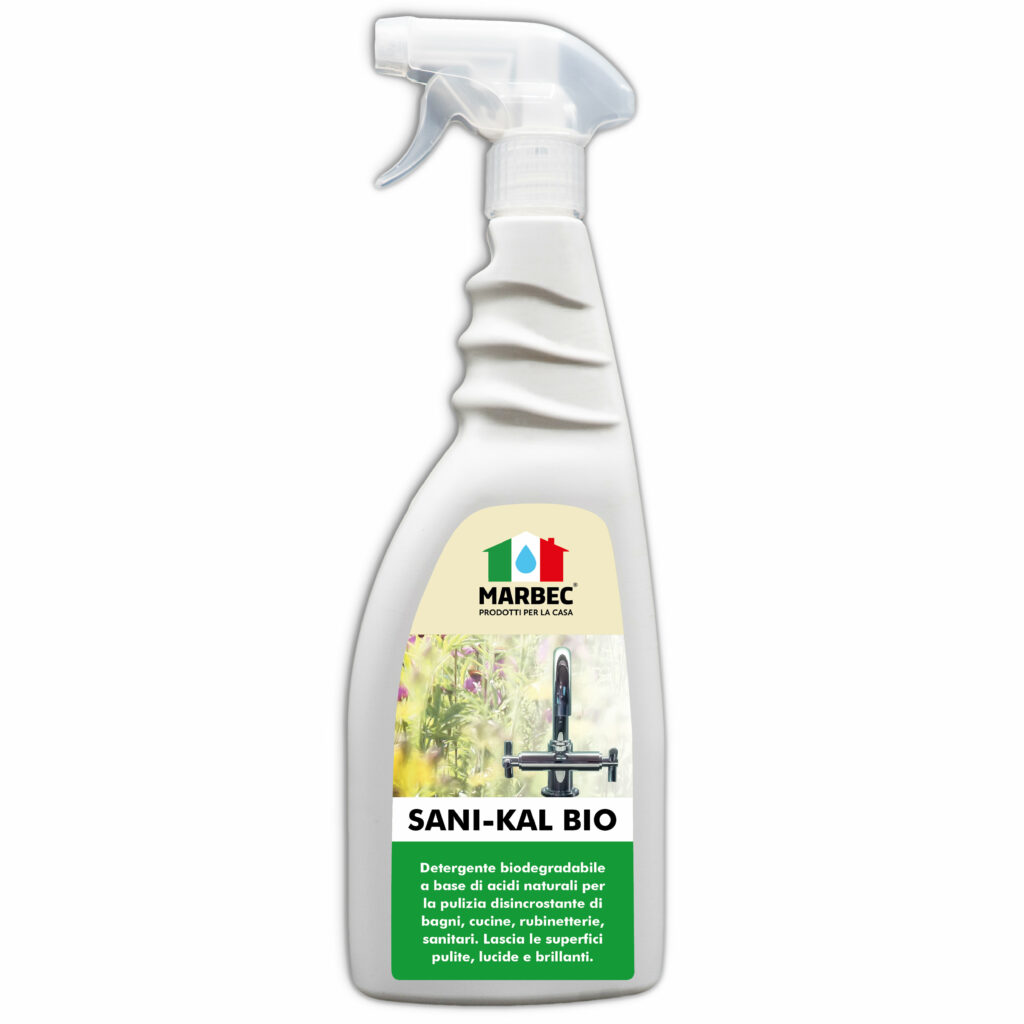
Finally, SANI-KAL- FORTE and SANI-KAL BIO are two specific products for the anti-scale cleaning of bathroom surfaces such as showers, ceramic coverings, taps and sanitary ware. SANI-KAL FORTE is a descaling detergent with controlled action that removes limescale deposits, urine and rust stains and soap residues, while SANI-KAL BIO is a descaling detergent based on natural acids, such as lactic acid, which removes deposits, stains and residues quickly and is biodegradably.

Thanks to these products, simple to use, it will be possible to eliminate scale and efflorescence from the surfaces, for a result that will meet your expectations!

When you use your oven or barbecue regularly, burnt grease, carbon residue, soot and black crusts can quickly build up on internal surfaces. This type of dirt is not the same as everyday kitchen grime. Instead, it forms because of high temperatures, bonds strongly to the surface and becomes harder to remove over time. In these situations, generic cleaners and DIY solutions are often ineffective. Worse still, they may lead to overly aggressive scrubbing that damages surfaces. That is why it is important to understand how this dirt forms and how to treat it properly. With the right approach, cleaning becomes easier and surfaces stay in better condition for longer.

Cleaning metal pots and utensils correctly is a daily task for anyone who cooks at home and uses tools that come into contact with food, heat and water. Stainless steel with streaks, darkened copper, silver that loses its shine or dull brass are common issues. In most cases, these problems are not caused by dirt, but by using cleaning methods that are not suitable for the specific type of metal. In this article, you will find practical advice on how to clean cookware and kitchen tools made of copper, stainless steel, silver, brass and chrome-plated surfaces. You will also learn which DIY metal cleaning methods really work at home, how to use them correctly and when it is more effective to rely on specific metal cleaning and polishing products to achieve more even and long-lasting results.


