


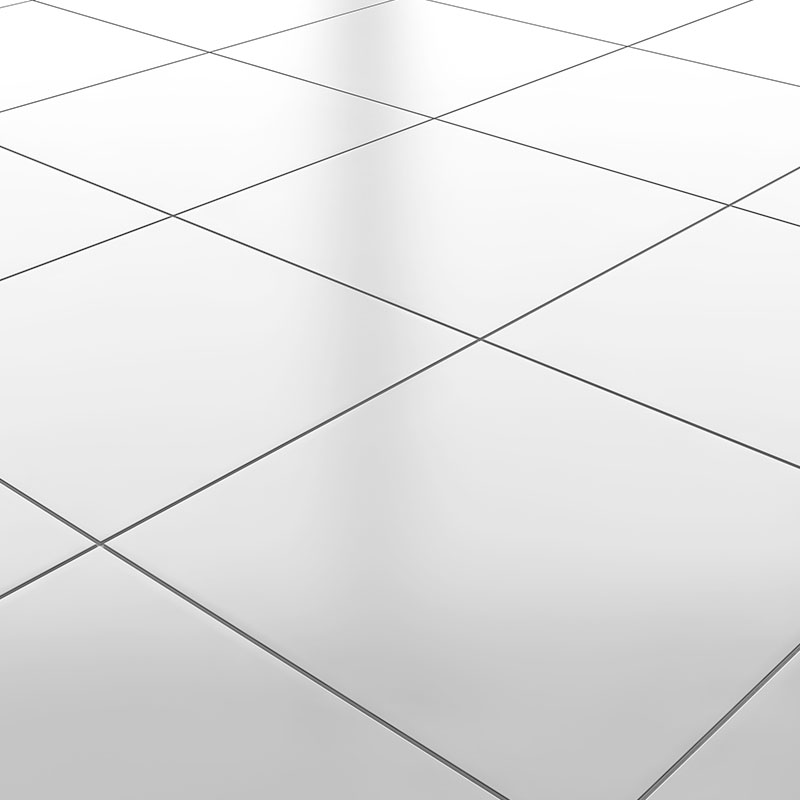
Joints between tiles are those gaps between tiles, once they have been placed and filled with a mix of cement, mortar, a mixture of water, and sand.
The size of these spaces is mainly determined by the thickness of the tiles that have been used and are crucial for several reasons. The joints between the tiles in fact:
• ensure that the tiles remain in place;
• fill the spaces and prevent that between the tiles water, dirt or other types of debris will go to deposit;
• make the surface of the tiles themselves more resistant to abrasion and wear.
Why do tile joints get dirty?
The joints between the tiles improve the general appearance of the floor and it is of course important to choose, for their realization, the right type of mortar, as well as it is essential to keep them clean, to avoid the formation of bacteria and mold.
The spaces between the tiles can get dirty because:
• although they are useful to prevent dirt from settling between the tiles, they can still be “home” for debris coming from outside;
• they can be victims of moisture, with the result of growing moulds and fungi.
The joints between the tiles can then darken or discolor and, as mentioned, be affected by moisture, which can penetrate into the joints, if the tiles are not sealed properly.
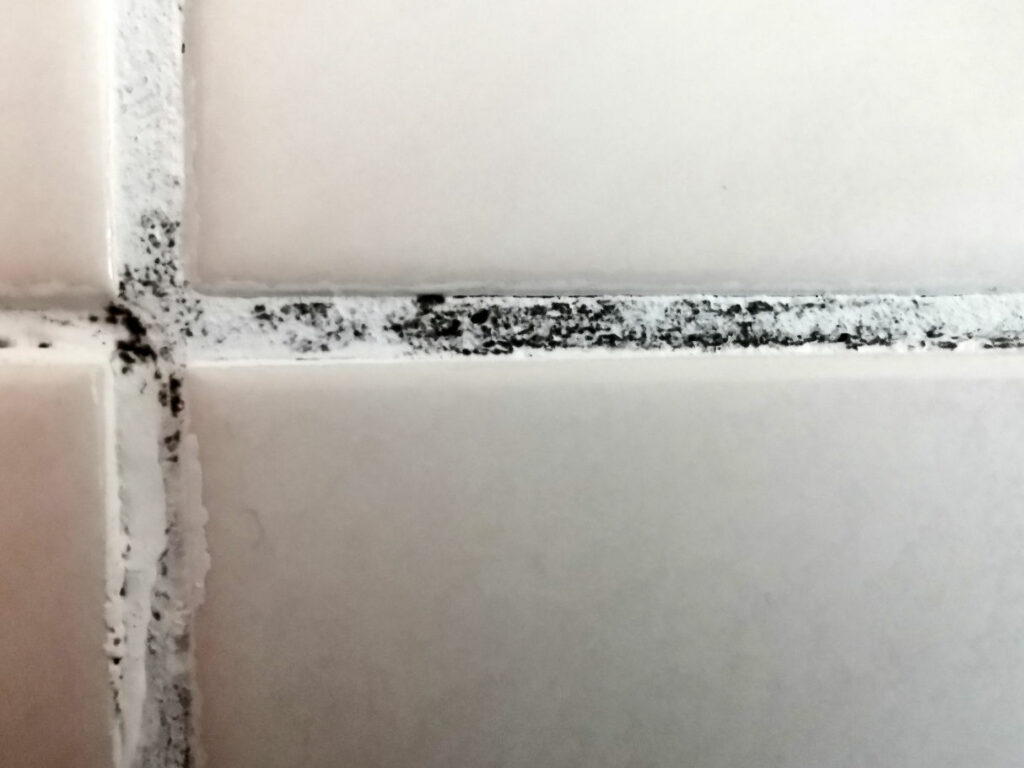
For these reasons, it is important to regularly clean the joints between the tiles, so as to prevent the formation of stains and the accumulation of dirt.
How to clean the joints between the tiles with the KIT PULIFUGHE
To clean the joints between the tiles you can use the KIT PULI FUGHE, composed of the detergent PULI FUGHE and the brush FUGINATOR, specific products to carry out the cleaning degreasing and descaling of the joints.
PULI FUGHE, in particular, is a detergent used to clean degreasing and whitening joints, whether they are cement or synthetic, and is designed for various types of floors and walls, from porcelain tiles to klinker, through single-fired and double-fired, porcelain and glass mosaics.
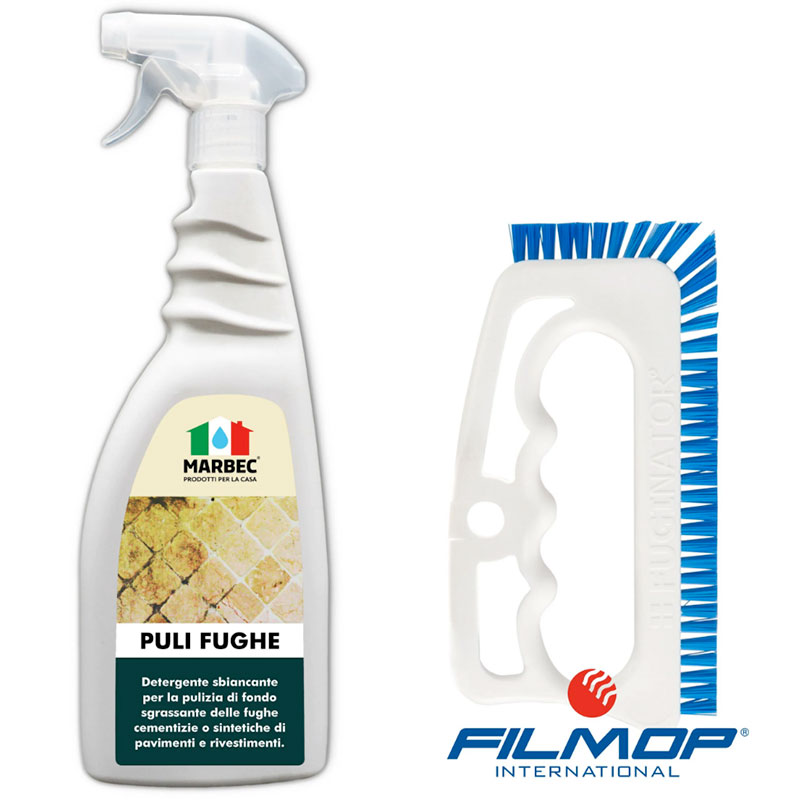
The brush FUGINATOR, instead, is characterized by a manual handle for cleaning the joints and is ideal for easy removal of dirt and mold, even when you have to get to the most hidden corners.
With these two products for cleaning the joints between the tiles, simply spray on the surface to be cleaned (or degreased) PULI FUGHE, waiting a few minutes for the product to take effect.
At this point, rub the surface with the brush FUGINATOR, then rinse with warm water.
The final result obtained thanks to the combination of these two products, is all to be enjoyed!
-

PULI FUGHE
Whitening detergent for the deep degreasing cleaning of cement or synthetic joints of floors and walls.
+ Varianti6.14€


Rust stains on floors are a common issue, especially on outdoor surfaces. These yellowish marks can affect the appearance of stone materials and are often difficult to remove without the right treatment. In many cases, the cause is linked to everyday activities such as garden care. The use of fertilizers and lawn treatments can lead to rust formation due to the presence of iron sulfate. When it comes into contact with moisture, it oxidizes and leaves persistent stains on surfaces. During a project in Italy, in the city of Empoli, MG Service Company handled this exact issue. The team worked on stone surfaces affected by deep rust stains, which required a precise and professional approach to remove them without damaging the material.

Cleaning glass and mirrors is one of the most common household tasks. However, achieving a truly streak-free finish is often more difficult than expected. The real challenge is not removing dirt, but preventing streaks, smudges and residue that reduce surface clarity. To get consistent results, you need the right method. Using a streak-free glass cleaning method and following a simple routine helps keep glass, mirrors and glossy surfaces cleaner for longer. It also reduces the need for repeated cleaning.


