


Winter is not yet upon us but, in order not to be caught unprepared and to pass on to home surfaces and not only, it is important to adopt solutions that guarantee their maintenance.
In fact, during the winter months we often make the mistake of “forgetting” the external parts of the house, but the risk is to find ourselves with the arrival of spring, with surfaces more or less damaged by atmospheric agents that need to be restored.
Specifically, we refer to the surfaces in stone and wood materials which in this season could in fact be deteriorated, for example, by humidity: what to do then?
The solution is simple: just protect the external surfaces before the cold arrives with the right products and following the correct procedure. In this way it will be possible to protect the stone surfaces and extend the treatments on external woods.
But let’s see what are the correct steps to follow and the products to use.
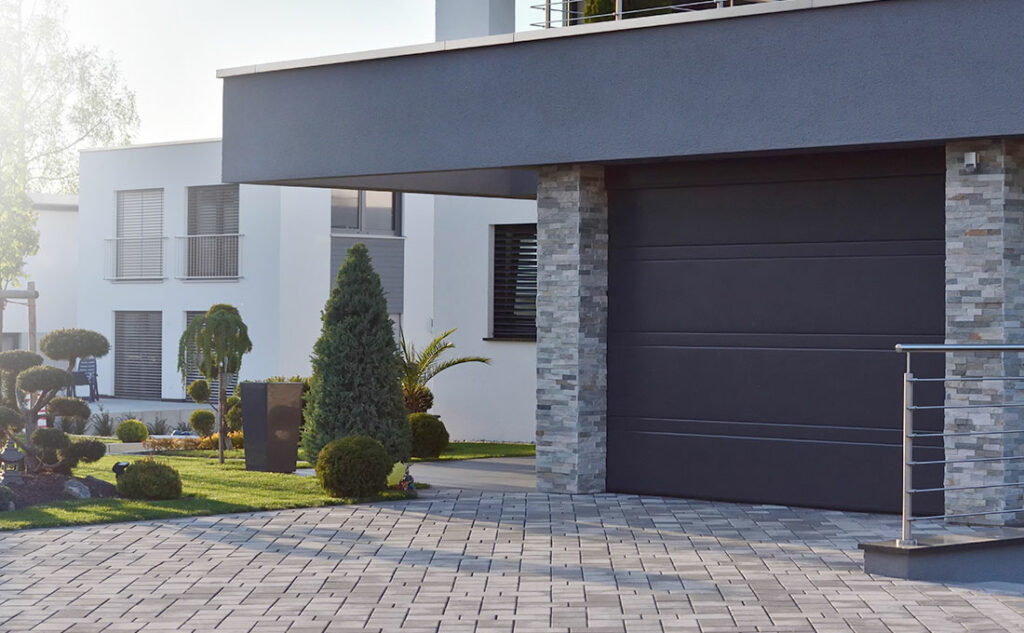
How to protect stone surfaces?
To protect stone materials, which however must already be treated with water repellents or finishing waxes, you can easily use the COTTO AND STONES MAINTENANCE KIT, consisting of ECO MARBEC, PAV05, a professional handle for cleaning floors, a frame in professional aluminum with profiles for velcro system and Lock System receptacle, a PULI-SCRUB, a microfiber and polypropylene cloth with velcro system and color code label and SMART-FUR, another microfiber cloth with velcro system and color code label.
The instructions for use are to start a deep cleaning with the ECO MARBEC ecological detergent to remove the dirt that has deposited during the summer, then applying the finishing wax PAV05 to protect the surface from the formation of algae.
What if, on the other hand, it is a question of external wooden surfaces?
How to extend treatments on external woods
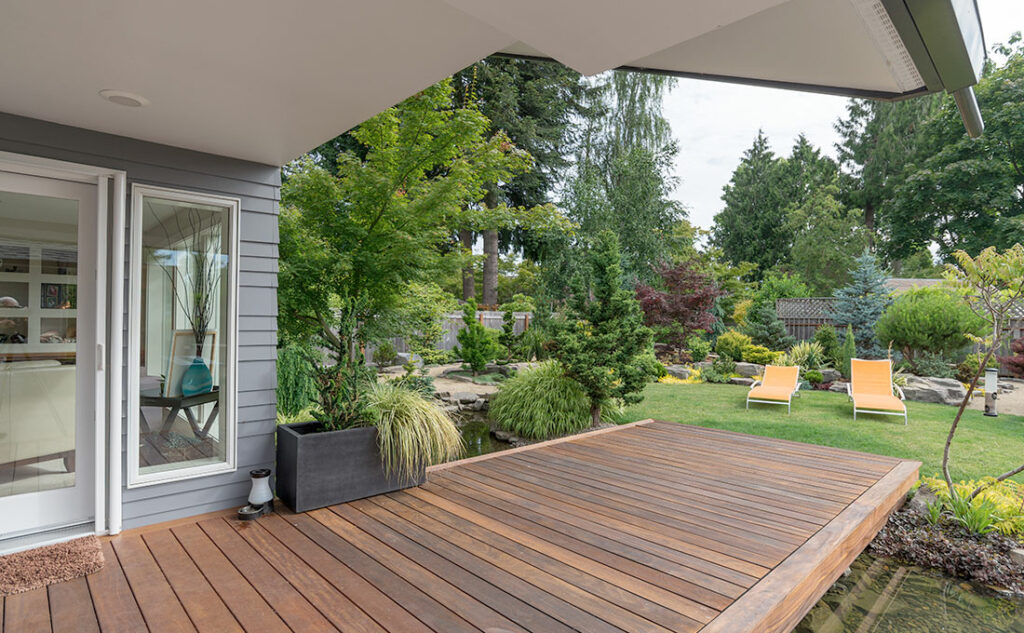
To extend the life of impregnation treatments on external woods, you must first use the anti-degradation finish BARRIER, which makes the surface of the wood and its micro-cracks more water-repellent and therefore more protected from dirt, as well as from UV rays.
First, the BARRIER package is shaken before use and, if necessary, the surface to be treated is cleaned, removing the dirt with DETER CLEAN.
At this point, BARRIER is spread with a panel (one coat is enough), wetting the surface with a thin and uniform layer and avoiding excesses.
BARRIER dries quickly in 20-30 minutes, it is not necessary to polish and can also be used for the protection of wooden frames.
Finally, to maintain the characteristics of the basic treatment and the wood essence, we recommend the application of BARRIER every 6-12 months.
Thanks to the COTTO AND STONE MAINTENANCE KIT, to Marbec products such as BARRIER and DETER CLEAN and following the right procedure, therefore, your stone and wooden surfaces are ready to survive the winter without fear!
Do you have any questions about how to protect your exterior surface and what are the right products to use?
Do not hesitate to contact us, we will be happy to answer you!

Cleaning and restoring indoor varnished wood floors makes it possible to revive matte or glossy varnished parquet flooring that has lost its shine, even colour and original appearance due to everyday wear. When the protective finish is still intact and the floor does not require complete sanding, you can restore parquet without sanding by following a dedicated treatment that removes surface greying, revives the wood and restores the protective finish. This restoration process is suitable for both glossy and matte varnished parquet floors by selecting the treatment that matches the original finish. For this reason, Marbec developed the KIT RESTAURA LEGNO VERNICIATO LUCIDO and the KIT RESTAURA LEGNO VERNICIATO OPACO, two complete systems designed to clean, restore and protect varnished wood floors without sanding or refinishing whenever the floor is still suitable for surface restoration.

An oak parquet floor with an oil-wax impregnation can lose colour, protection, and visual uniformity over time. This often happens because of incorrect maintenance or unsuitable products. However, if the wood is still structurally sound, replacement is not always necessary. With a professional restoration process, the surface can regain balance, beauty, and long-term protection.


